
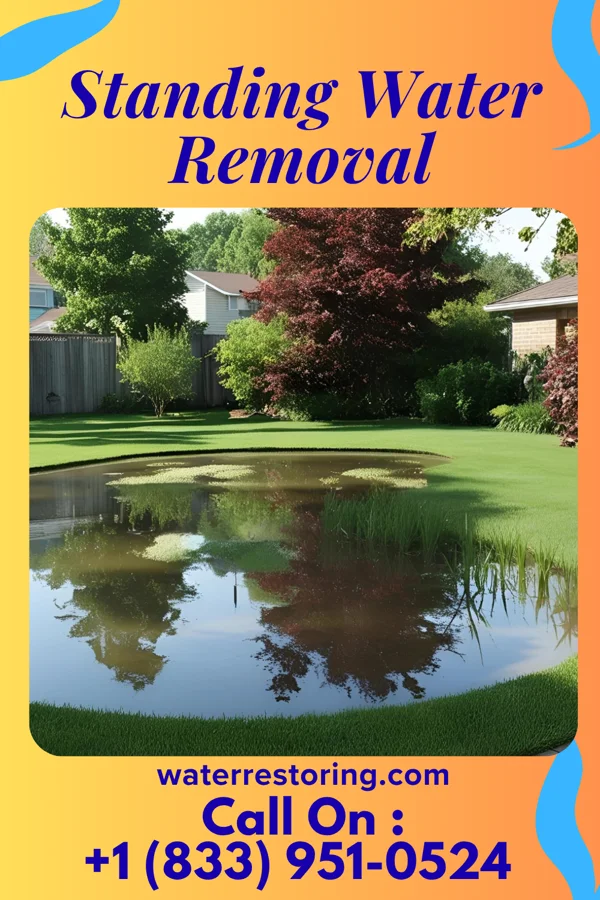
Why Ashley Standing Water Demands Fast Removal
Most water damage emergencies in Ashley start with In Ashley, Missouri, primary water damage often stems from agricultural runoff and seasonal flooding due to the rural landscape and proximity to the Mississippi River. Heavy rainfall events, especially during spring thaw, can lead to significant water intrusion in homes and farm buildings. These conditions are exacerbated by the region's flat terrain and lack of natural drainage.. A close second is Secondary causes include leaking septic systems, burst water pipes, and malfunctioning sump pumps in older homes. Additionally, livestock operations in the area can contribute to water damage through runoff and improper waste management practices.. From the second water touches the property, every minute changes what gets saved and what gets ripped out.
Ashley's climate, characterized by hot, humid summers and occasional severe thunderstorms, increases the risk of water damage. The region's susceptibility to flash flooding and prolonged rain events makes prompt water damage response critical to preventing long-term structural issues.
Most standing water removal calls in Ashley come from In Ashley, Missouri, primary water damage often stems from agricultural runoff and seasonal flooding due to the rural landscape and proximity to the Mississippi River. Heavy rainfall events, especially during spring thaw, can lead to significant water intrusion in homes and farm buildings. These conditions are exacerbated by the region's flat terrain and lack of natural drainage.. Running a close second is Secondary causes include leaking septic systems, burst water pipes, and malfunctioning sump pumps in older homes. Additionally, livestock operations in the area can contribute to water damage through runoff and improper waste management practices.. Local mold risk: Mold growth in Ashley can occur rapidly due to high humidity and frequent moisture exposure, especially in older or poorly ventilated structures. Early intervention is essential to prevent health risks and costly remediation.